The Shawshank Redemption (1994) - Film Review
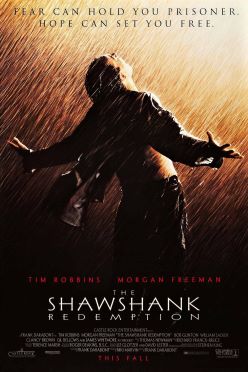
Frank Darabont's The Shawshank Redemption is not just a prison drama—it's a meditation on hope, friendship, and the resilience of the human spirit. Adapted from Stephen King's novella "Rita Hayworth and Shawshank Redemption," this 1994 film arrived with little fanfare but has since become one of the most beloved movies of all time. Thirty years later, it continues to inspire and uplift viewers with its profound message about redemption.
A Story of Unbreakable Hope
Andy Dufresne (Tim Robbins) is sentenced to life imprisonment at Shawshank Prison for a crime he didn't commit. Despite the brutal realities of prison life, Andy maintains his dignity and quiet optimism. Through his friendship with fellow inmate Red (Morgan Freeman), Andy demonstrates that hope is not just a feeling—it's a quiet, powerful force that can transform lives.
The film's central theme is beautifully encapsulated in Red's narration: "Hope is dangerous. Hope can drive a man insane." Yet Andy proves that hope, when tempered with intelligence and perseverance, can be the key to freedom.
Performances That Define Careers
Tim Robbins delivers a career-defining performance as Andy Dufresne. His portrayal of quiet intelligence and unyielding hope is both subtle and powerful. Robbins captures the character's complexity—his initial despair, his calculated patience, and his eventual triumph—without ever resorting to histrionics.
Morgan Freeman's Red is the perfect counterpoint. His gravelly voice and world-weary wisdom provide the film's emotional anchor. Freeman's performance is so natural, so effortlessly compelling, that it's easy to forget you're watching acting at all. The chemistry between Robbins and Freeman is electric, forming the heart of the film's enduring appeal.
A Faithful Yet Transcendent Adaptation
Frank Darabont's screenplay honors Stephen King's source material while elevating it to cinematic poetry. The novella's focus on institutional corruption and human resilience is amplified through visual storytelling that speaks volumes without words. Darabont, making his directorial debut, proves himself a master of pacing and emotional nuance.
The film's structure is masterful. It moves seamlessly between past and present, using Red's narration to provide context and reflection. Each scene builds toward the film's climactic moments of redemption and revelation.
Visual Poetry in a Brutal Setting
Roger Deakins' cinematography transforms the grim Shawshank Prison into a character unto itself. The contrast between the prison's cold stone walls and moments of natural beauty (like Andy's rooftop beer scene) underscores the film's themes of hope amidst despair.
Thomas Newman's score is subtle yet powerful, enhancing the emotional beats without overwhelming them. The film's sound design, from the echo of prison corridors to the simple beauty of Mozart's "The Marriage of Figaro," creates an auditory landscape as memorable as its visuals.
The Power of Redemption
At its core, The Shawshank Redemption is about redemption—not just for Andy, but for all of us. It reminds us that it's never too late to change, to grow, to find freedom in whatever form it takes. The film's message is universal: hope is not naive optimism, but the belief that tomorrow can be better than today.
The supporting cast, including Bob Gunton as the sadistic Warden Norton and James Whitmore as the elderly Brooks, add depth to this prison microcosm. Each character represents different responses to institutionalization, from corruption to despair to transcendence.
A Cultural Phenomenon
Despite modest box office success upon release, The Shawshank Redemption has become a cultural touchstone. Its enduring popularity speaks to its universal themes and emotional truth. The film regularly tops "best movie" lists, and its influence can be seen in countless prison dramas that followed.
What makes it special is its ability to speak to viewers across generations. Whether you're facing personal struggles, institutional barriers, or simply the challenges of daily life, Shawshank offers a message of hope that resonates deeply.
Timeless Wisdom
Thirty years after its release, The Shawshank Redemption remains a beacon of what great filmmaking can achieve. It proves that movies don't need explosions or special effects to be powerful—they need heart, intelligence, and the courage to explore what makes us human.
In a world that often feels cynical and despairing, this film reminds us that hope is not just possible—it's essential. As Andy Dufresne would say, "Get busy living, or get busy dying." It's advice worth heeding.
You Might Also Enjoy